
European regulators tighten data protection, cybersecurity and artificial intelligence oversight

European and UK regulators are moving in parallel on cross-border data transfers, cybersecurity, enforcement activity and emerging artificial intelligence risks, signaling a higher compliance bar for both public and private organizations.
New test probes language model confidence to flag misinformation
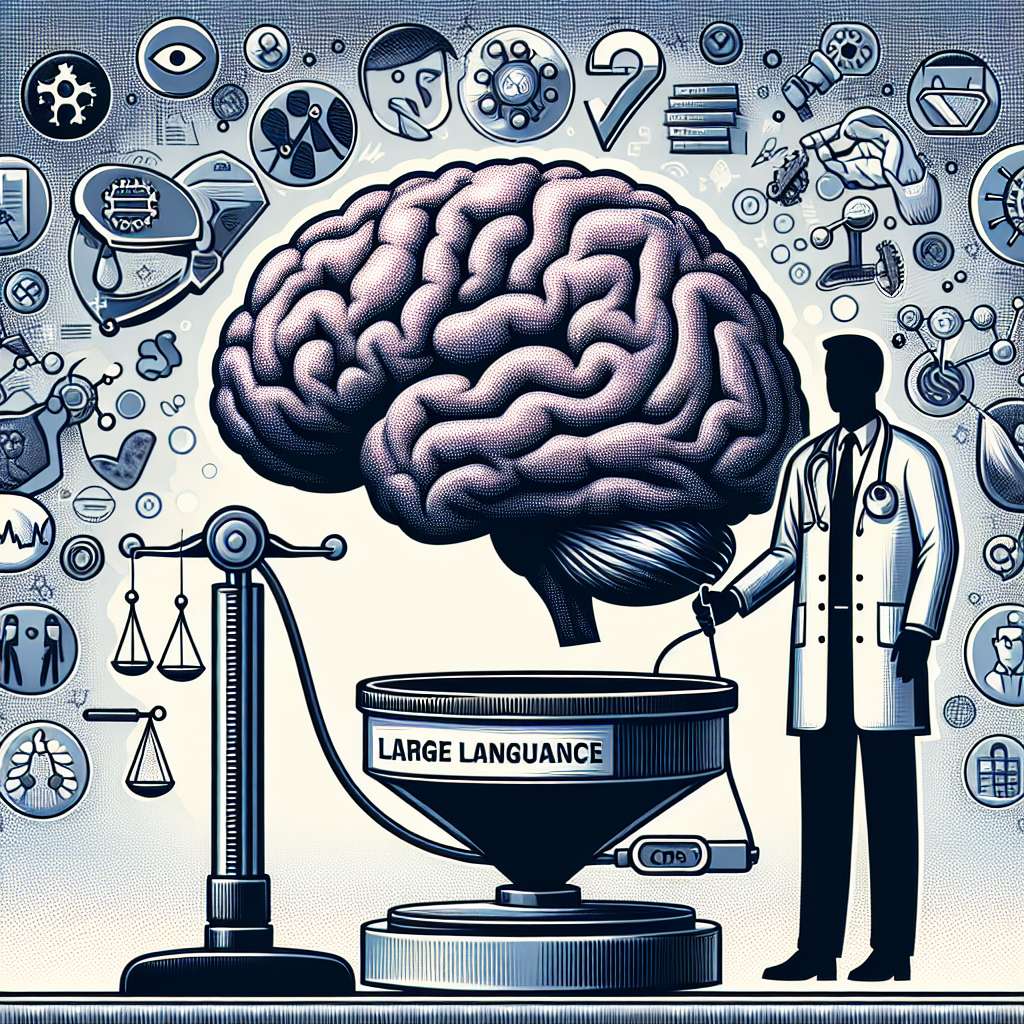
Researchers at Michigan State University have developed a method to detect when large language models give unreliable answers by testing how stable their internal representations are under small perturbations.
Intel Nova Lake compute tile sizes and cache strategy detailed

Intel’s upcoming Nova Lake Core Ultra Series 4 desktop processors will use TSMC’s N2 process for new compute tiles, including a premium variant with significantly enlarged cache to counter AMD’s 3D V-Cache. Early estimates suggest notable die size differences between standard and big cache configurations due to the expanded last level cache.
Windows 11 26H1 targets new Arm processors as 25H2 remains mainstream

Microsoft is splitting Windows 11 development, reserving the 26H1 release for new Arm-based systems while keeping most existing PCs on 25H2 for their next feature update.
Discord age checks push privacy wary gamers toward rival chat platforms

Discord’s upcoming age verification rollout is triggering privacy concerns and a measurable spike in searches for rival chat platforms among gamers. Community discussions highlight frustration with identity checks, perceived product decline, and aggressive monetization.
The security challenge of building trustworthy artificial intelligence assistants

New tools like OpenClaw show the appeal of always-on artificial intelligence assistants with deep access to personal data, but they also spotlight unresolved security risks, especially prompt injection attacks. Researchers are racing to design guardrails that protect users without stripping these agents of their usefulness.