
MIT carbon concrete moves closer to structural energy storage

MIT researchers have significantly boosted the energy storage capacity of their electron conducting carbon concrete, bringing structural batteries closer to practical use in buildings and infrastructure.
Researchers decode battery acoustic signals to predict failures

Mit engineers have developed a method to interpret the faint sounds lithium ion batteries emit as they operate, enabling passive monitoring of degradation and potential failures. The work links specific acoustic signatures to gas generation and material fractures that precede dangerous events.
MIT’s new energy and climate chief pushes systemic, collaborative innovation
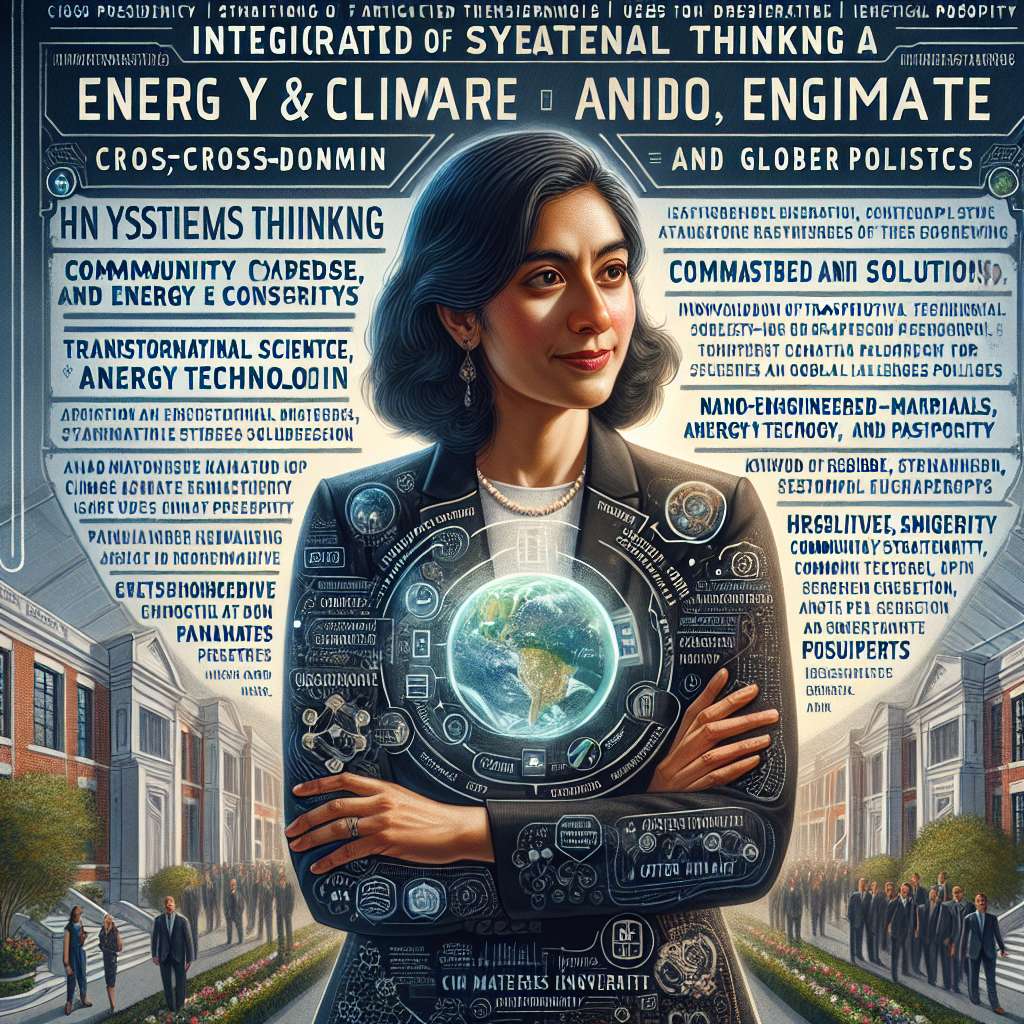
Evelyn Wang has returned to MIT to lead a new, Institute-wide push on energy and climate, arguing that only transformational, systems-level collaboration can meet rising energy demand, extreme weather, and funding headwinds. Her agenda links advanced technologies, community well-being, and targeted partnerships to move from isolated breakthroughs to scalable solutions.
AMD outlines expansive artificial intelligence roadmap from data center to edge

At CES 2026, AMD chair and CEO Dr Lisa Su used the opening keynote to showcase the company’s push toward yotta-scale computing and new artificial intelligence products spanning data centers, personal computers and embedded edge systems. Partners including OpenAI and AstraZeneca detailed how they are using AMD platforms for large-scale training, inference and scientific workloads.
AMD outlines yotta scale artificial intelligence roadmap at CES 2026

At CES 2026, AMD used the opening keynote to position its hardware, software, and partnerships as the foundation for artificial intelligence across data centers, edge devices, and education while previewing its next generation accelerator roadmap.
Nvidia Nemotron 3 open models target specialized artificial intelligence agents
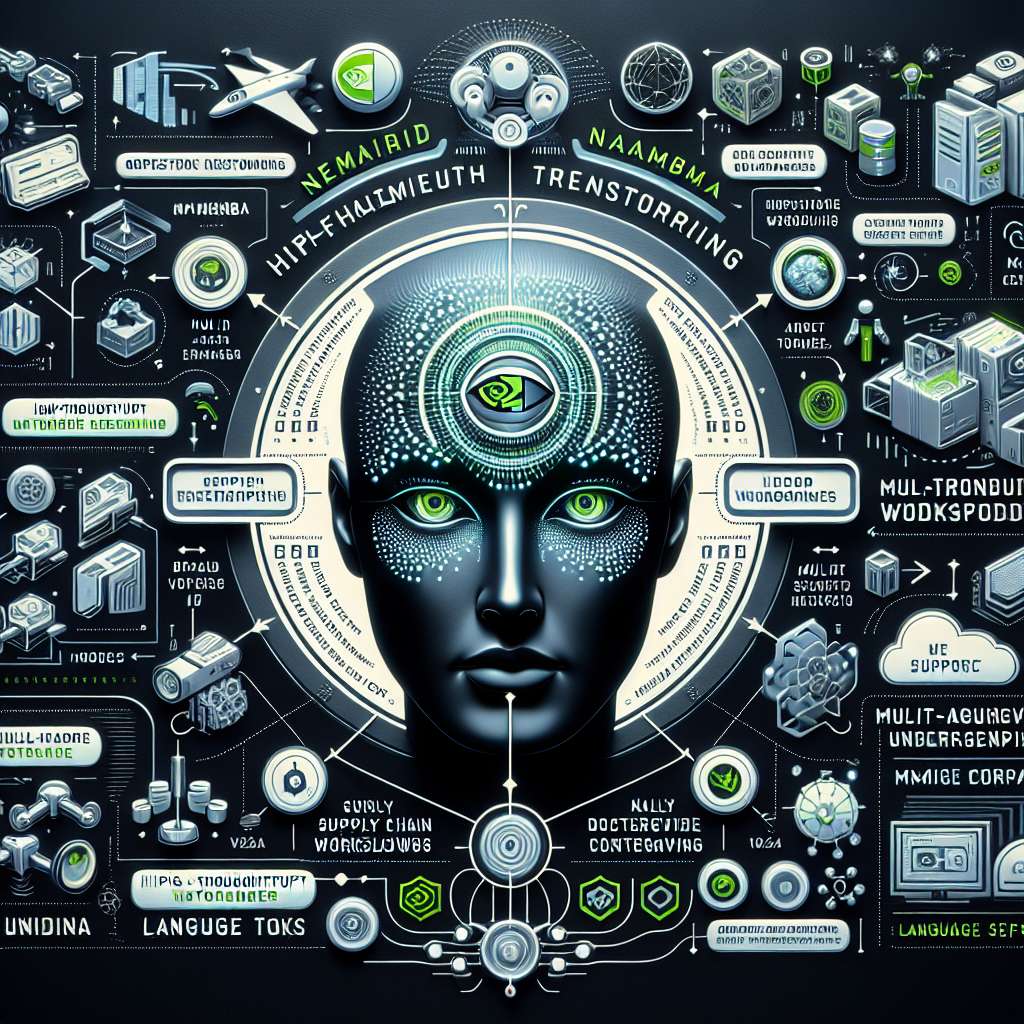
Nvidia’s Nemotron 3 family is a fully open stack of large language, vision, speech, retrieval, and safety models with open weights, data, and recipes aimed at building high‑throughput, reasoning‑focused artificial intelligence agents across edge, cloud, and data center deployments.
How artificial intelligence is reshaping regulatory compliance in finance

Financial firms are using artificial intelligence to turn stringent communication monitoring rules into a more proactive, insight-driven approach to compliance and conduct risk. Purpose-built systems promise to cut false positives, accelerate investigations, and make oversight a source of competitive advantage.
Proposed changes to the EU artificial intelligence act and what they mean for non EU companies

The European Commission has proposed targeted changes to the EU artificial intelligence act that extend compliance timelines, reduce some registration requirements, and expand flexibilities, with practical implications for non EU companies offering artificial intelligence services into the bloc.
Ofcom presses X over Grok artificial intelligence sexual image allegations

UK regulator Ofcom has contacted X and Elon Musk’s artificial intelligence firm xAI after reports that Grok can generate sexualised images of children and non-consensual explicit images of women, potentially breaching the Online Safety Act.
Results and prospects for artificial intelligence in business applications in 2026

Enterprise leaders expect agentic, generative and classical artificial intelligence to converge in 2026, reshaping business applications while putting governance and security under greater scrutiny.