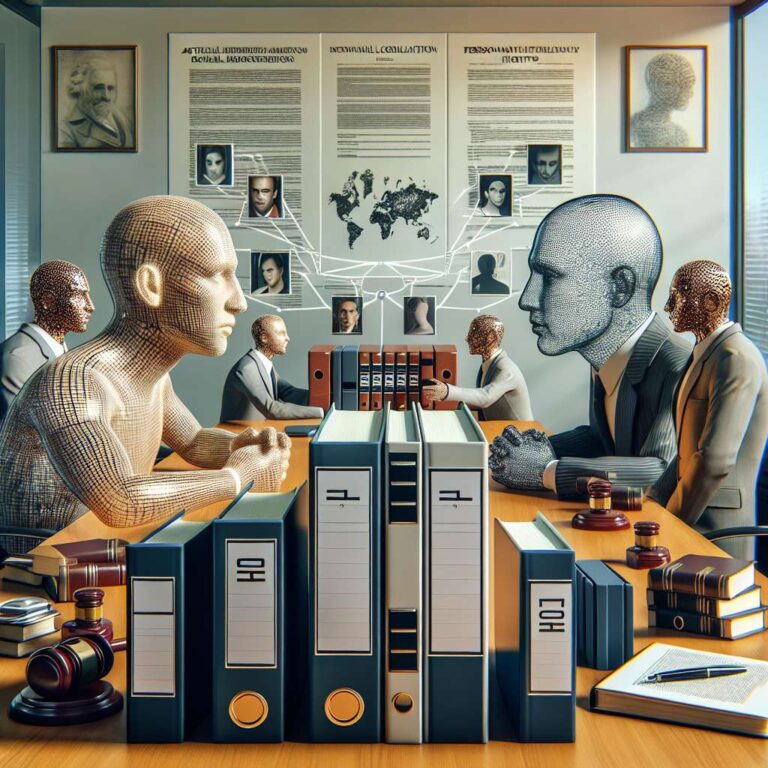
Regulation of Artificial Intelligence is entering a more intensive phase as governments respond to the rapid shift from experimentation to deep integration of Artificial Intelligence in core business functions. Regulators are grappling with emerging legal and ethical issues while high profile litigation, particularly in the US and UK, is expected to shape global rules. New Zealand’s comparatively light touch, risk based framework is likely to be influenced by these developments and by the European Union’s detailed regime for high risk Artificial Intelligence systems that begins to bite from August, creating new compliance expectations for organisations with cross border operations or customers.
Protection of personality rights is moving to the forefront as Artificial Intelligence makes it easier to clone voices, faces and other personal attributes for scams and unapproved commercial uses. Concerns have been heightened by the Grok Artificial Intelligence chatbot’s reported generation of sexualised deepfakes of people, predominantly girls and women, without consent and its distribution of these images on the X platform, which has triggered multiple investigations. Public figures are beginning to test traditional tools such as trade marks to fence off aspects of their persona, illustrated by Matthew McConaughey securing eight trade mark registrations in the US, including motion marks and his “alright, alright, alright” catchphrase, in an attempt to create a legal perimeter against Artificial Intelligence generated imitations. In New Zealand, personalities already use trade marks over names, images, video and sound, and may combine these with privacy law, copyright, misrepresentation and defamation torts, Fair Trading Act 1986 claims, criminal enforcement and any future Deepfake Digital Harm and Exploitation Bill to combat deepfakes and misuse of likeness.
A series of overseas court cases is set to define how copyright and trade mark law apply to Artificial Intelligence training and outputs. In Getty Images v Stability AI in the UK High Court, the court held that training an Artificial Intelligence model on copyrighted images does not make the model itself an infringing copy, but found that reproduction of Getty watermarks in generated images infringed trade marks and underscored the need for concrete evidence of infringing outputs to establish “output liability,” with Getty reportedly granted permission to appeal and intending to leverage findings in US litigation. New York Times v OpenAI in the US will test whether training on journalistic text breaches copyright and whether outputs are derivative works, while Disney v Midjourney will probe look alike content and model liability for character designs and visual styles. From 2 August 2026, the bulk of obligations under the EU Artificial Intelligence Act are expected to come into force, covering high risk Artificial Intelligence systems, Artificial Intelligence systems interacting with individuals and developer obligations, with extraterritorial reach where systems or outputs are made available in the EU. While New Zealand maintains a “light-touch, proportionate, risk-based approach” focused on adapting existing law, political debate and professional advocacy may shift that stance as Artificial Intelligence governance becomes more complex, with fragmented rules, higher board expectations, supply chain scrutiny and a shortage of skilled governance professionals, making responsible Artificial Intelligence frameworks a strategic differentiator.