
Big tech bets on BECCS as Kairos Power advances molten salt reactors

Tech giants are backing BECCS projects that capture paper mill emissions for deep geological storage, while Kairos Power pushes ahead with molten salt reactors. This edition also surveys a podcast on IVF embryo ethics and a slate of developments from Artificial Intelligence to autonomous vehicles.
Study finds over half of online articles are artificial intelligence generated

An analysis by SEO firm Graphite suggests artificial intelligence now produces most written content online, with 52 percent identified as machine generated by May 2025. The shift is forcing new approaches to search, publishing, and content provenance.
WPP deepens Google Artificial Intelligence partnership to speed cheaper content creation

WPP and Google signed a five-year agreement to expand Artificial Intelligence tools across the agency’s operations, aiming to deliver faster, lower-cost content and sharper audience modeling.
Microsoft unveils in-chip microfluidics to cool artificial intelligence hardware

Microsoft introduced an in-chip microfluidics system that channels coolant directly across silicon to tame heat in artificial intelligence hardware. Early tests show up to a 65 percent drop in GPU temperature rise and as much as threefold efficiency gains, with potential cuts to data center energy use and emissions.
Intel unveils Crescent Island GPU to challenge Nvidia in Artificial Intelligence inference

Intel introduced Crescent Island, an inference-only GPU built on Xe3P with 160 GB of LPDDR5X and air cooling to boost efficiency for Artificial Intelligence data centers. Sampling is slated for the second half of 2026, with adoption hinging on software ecosystem progress and partnerships.
Intel unveils ‘Crescent Island’ data center GPU for Artificial Intelligence inference

Intel introduced a new GPU tailored for Artificial Intelligence inference, code-named Crescent Island, with a focus on performance per watt and cost efficiency. The Xe3P-based part uses LPDDR5X memory and is slated to arrive in the second half of 2026.
Red Hat Artificial Intelligence 3 tackles inference complexity
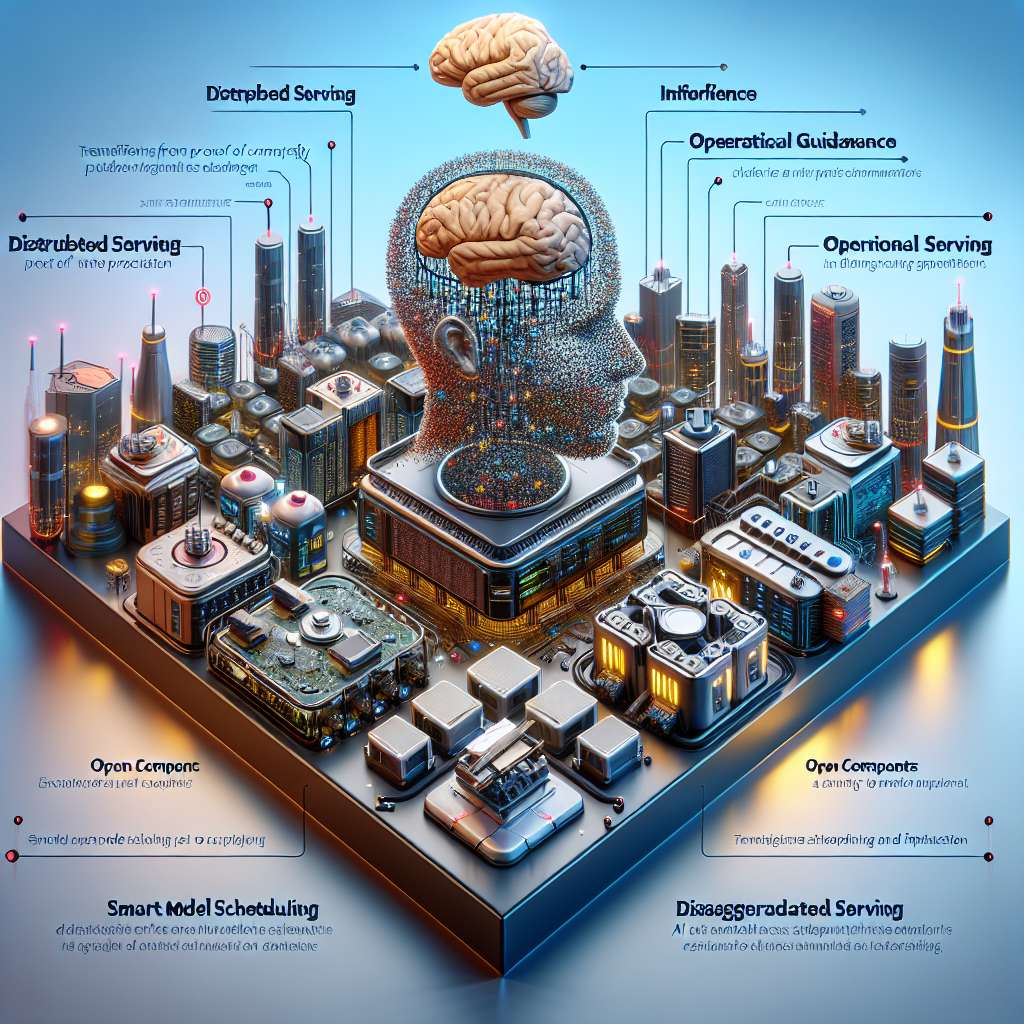
Red Hat introduced Red Hat Artificial Intelligence 3 to move enterprise models from pilots to production, with a strong focus on scalable inference on Kubernetes. The release adds llm-d, a unified API on Llama Stack, and tools for Model-as-a-Service delivery.
How aging clocks are reshaping what we know about biological age and whether we can reverse it
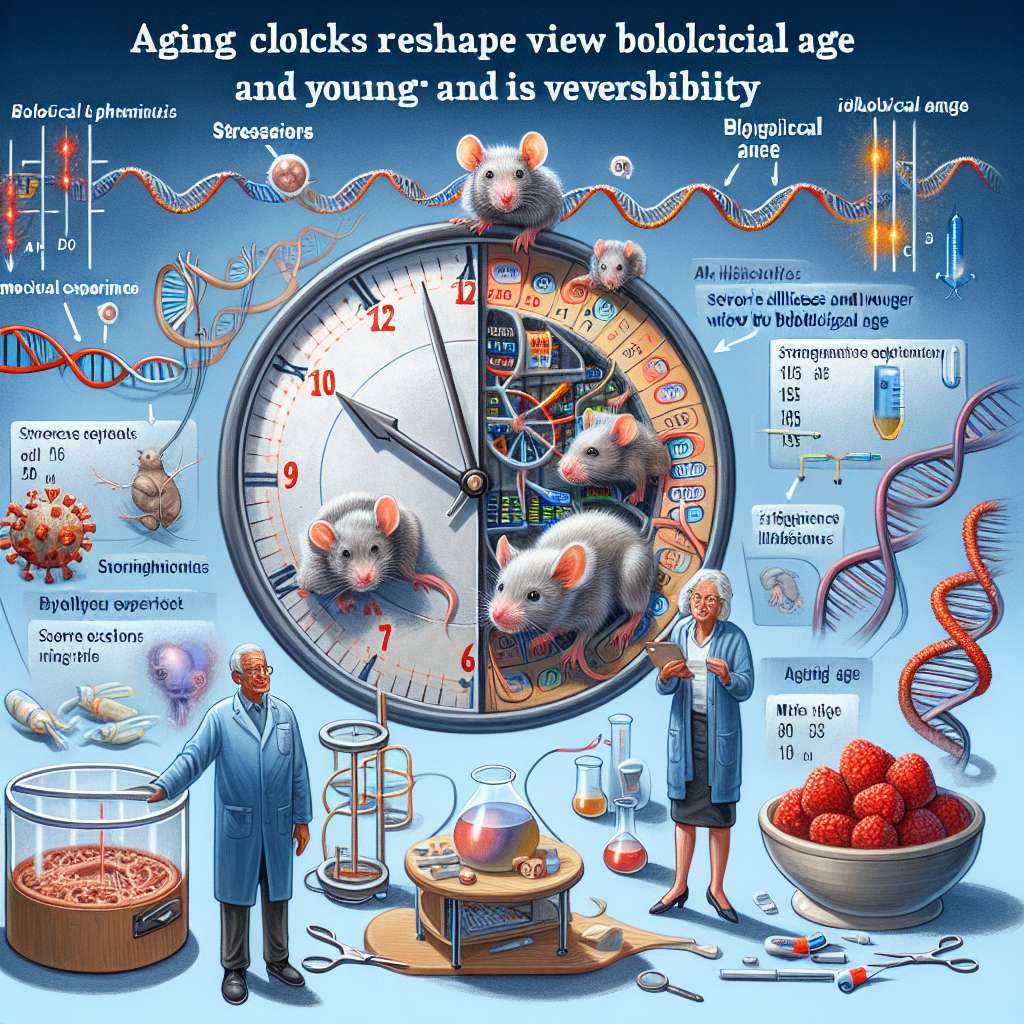
Researchers are using epigenetic aging clocks to probe why and how we age, while warning against consumer hype. New studies across mice and mammals hint that biological age is plastic and potentially reversible.
The Download: aging clocks, repairing the internet, and rare earth recycling
Today’s newsletter explores how biological aging clocks are reshaping our understanding of longevity, asks whether tech luminaries can fix a flawed internet, and spotlights a rare earth magnet recycling push set to scale outside China.