Leading global retail and consumer packaged goods brands are transforming their end-to-end operations by adopting advanced artificial intelligence solutions powered by NVIDIA technologies. During NVIDIA GTC Paris at VivaTech, industry heavyweights such as L´Oréal, Nestlé, and LVMH detailed how artificial intelligence is reshaping product design, manufacturing, marketing, shipping, and consumer experiences, leading to increased revenues and reduced operational costs across the sector.
Nestlé has launched an artificial intelligence-based content service in collaboration with NVIDIA and Accenture, employing 3D digital twins on the NVIDIA Omniverse platform. This technology enables high-quality, scalable product content creation for e-commerce and digital media, allowing brands to adjust and localize product packaging digitally without costly reshoots. This initiative aims to convert over 10,000 Nestlé products into fully realized digital twins in the next two years, enhancing content agility for global and local brands. In parallel, LVMH is using NVIDIA Omniverse to bring digital twins into their marketing ecosystem, enabling Moët Hennessy and its teams to rapidly produce a diversity of digital assets for luxury product campaigns, vastly improving content creation velocity and localization.
L´Oréal is employing NVIDIA artificial intelligence enterprise platforms to overhaul consumer beauty experiences, marketing, and advertising. Its CreAItech platform leverages generative artificial intelligence for rapid generation of customized, brand-consistent visuals and copy, empowering its marketing teams to iterate campaigns faster for global e-commerce and social platforms. In addition, L´Oréal-backed marketplace Noli.com uses the artificial intelligence-powered Beauty Matchmaker, combining L´Oréal´s extensive beauty science expertise with NVIDIA acceleration for hyper-personalized product recommendations.
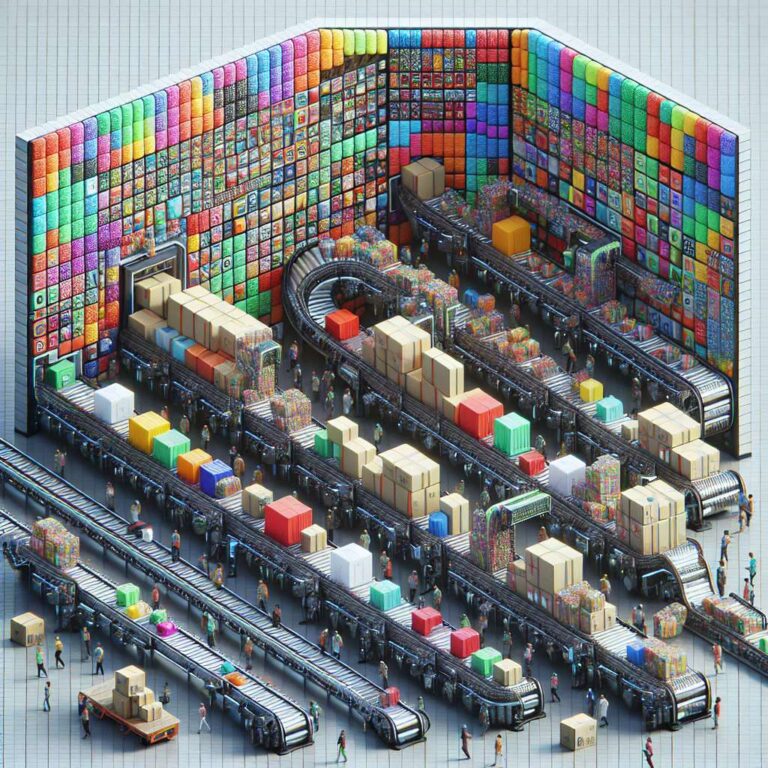
Beyond marketing innovation, NVIDIA partners are accelerating supply chain and logistics operations with physical artificial intelligence. Companies such as Lyric, KoiReader Technologies, and Exotec are integrating NVIDIA technologies for warehouse optimization, robotics orchestration, and computer vision, helping industry giants reduce operational costs and boost warehousing efficiency. Reports show four in five retail companies recognize tangible supply chain savings from artificial intelligence, underscoring NVIDIA´s expanding influence from creative digital workflows to real-world logistics. NVIDIA´s partner ecosystem—including agencies like Monks and solution providers like Bria—amplifies these innovations, using the latest NVIDIA platforms for streamlined creative production and lightning-fast image generation.